.png)
How to Use a Dog Wash Without the Home Mess

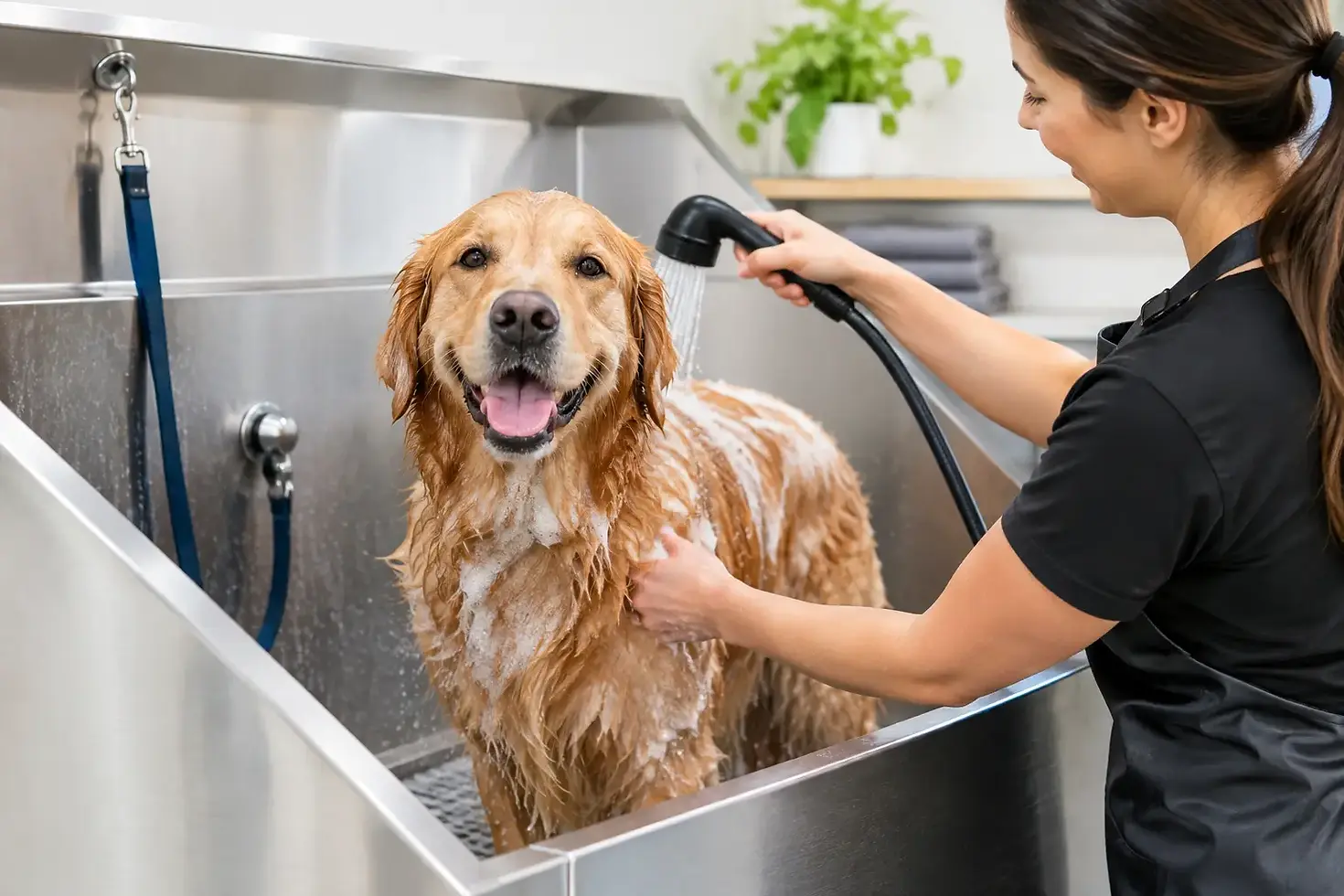
A muddy belly, sandy paws and that unmistakable wet-dog smell can turn the bathroom into a full clean-up job. Learning how to use a dog wash gives your puppy a proper wash without chasing fur from the drain or hosing down the tiles afterwards. With warm water, included products and a powerful dryer in one bay, the job is quicker, cleaner and far less stressful.
Before you use a dog wash
A self-service dog wash is designed to be straightforward, but a little preparation makes a big difference. Take your dog for a short toilet break first, especially if they have been travelling in the car or get excited in new places. A dog that is more settled is easier to wash and dry.
Bring a lead and keep it on until your dog is safely in the bay. Even very obedient dogs can be distracted by new sounds, other dogs or the rush of a high-velocity dryer. If your dog is prone to slipping, take it slow as they step into the tub and give them a moment to look around.
It also helps to remove collars, harnesses and jackets before the wash begins. Check paws for grass seeds, burrs, small stones or thick mud, and gently brush out loose dirt if your dog has a longer coat. Heavy knots will not wash out on their own and can become tighter once wet.
If your dog has irritated skin, an open wound, a recent surgery or a condition that needs medicated products, speak with your vet before bathing them. A DIY dog wash is ideal for routine freshening up, post-beach rinses and muddy adventures, but it is not a replacement for veterinary advice or specialist grooming where needed.
How to use a dog wash step by step
Start by securing your dog using the bay’s restraint point, if provided. It should keep them safely in place without pulling them tightly against the side of the tub. Stay with your dog at all times and use a calm voice. A few treats can be useful for nervous first-timers, provided your dog can enjoy them safely while standing in the bay.
1. Wet the coat gradually
Choose warm water, then begin at the paws and work upwards. This is less startling than starting at the back or head. Hold the hose close enough to control the water but avoid pressing it hard against the skin.
Wet the body, chest, belly, legs and tail thoroughly. For thick double coats, such as those on retrievers, kelpies and shepherd-type dogs, use your free hand to part the fur as you rinse. Water needs to reach the undercoat for the shampoo to do its job.
Keep water away from the eyes, inside the ears and nose. For the face, use a damp cloth or your wet hand rather than a direct spray. This small change can make the whole experience more comfortable for your dog.
2. Apply shampoo where it counts
Use the included dog shampoo as directed in the bay. Work it through the coat with your hands, focusing on the spots that collect the most grime: paws, lower legs, belly, rear and around the collar line. A gentle scrub is usually enough. There is no need to rub so hard that you tangle the coat or irritate the skin.
For a big shedder, massage in the direction the fur grows. For curly or long-haired dogs, use your fingers to separate the coat rather than bunching it together. If your dog has rolled in something particularly unpleasant, you may need a second shampoo cycle. For an ordinary muddy walk, one thorough wash is generally plenty.
Avoid using your own shampoo, dishwashing liquid or strongly scented home products. Dogs have different skin needs, and human products can leave them itchy or dry. Purpose-made dog wash products are the easier choice.
3. Rinse until the water runs clear
Rinsing is the step people most often rush. Any shampoo left behind can cause itching, flaky skin and dull-looking fur, especially in a dense coat. Rinse from the neck down, moving slowly over each section of the body.
Pay extra attention under the front legs, around the belly, between the toes and underneath the tail. Lift longer fur gently so clean water can run through it. When the water is clear and the coat no longer feels slippery or soapy under your fingers, you are ready for the final rinse product if your bay includes one.
A conditioning rinse can help leave the coat softer and easier to brush, but it depends on your dog and their coat type. Short-haired dogs may only need a quick pass. Dogs with longer, fluffier coats often benefit from a more careful application and rinse-through.
4. Use the dryer in short, calm passes
The high-velocity dryer is what makes a professional-style dog wash bay so useful. It pushes water out of the coat far more effectively than a towel alone, which means less dripping in the car and a faster trip home.
Before turning it on, let your dog see and hear it from a comfortable distance. Start at the lower body and use short passes, keeping the airflow moving rather than holding it in one spot. Aim down the coat, not directly into the face, ears, eyes or rear.
Some dogs happily stand for the whole dry. Others need breaks, especially the first few times. There is no prize for finishing quickly if your dog is becoming worried. Pause, reassure them, towel off where needed and continue only if they are comfortable. A small, short-coated dog may be dry in minutes, while a large dog with a thick winter coat will take longer.
Make the first visit easy on your dog
A dog wash works best when your puppy learns it is predictable. On the first visit, keep the session calm and do not expect perfection. You might only wash the paws and legs, then give your dog a treat and head home. Next time, they will already know the tub, water and dryer are nothing to fear.
Your own body language matters too. Keep movements unhurried and avoid repeatedly changing settings while your dog is in the bay. Speak normally, reward calm behaviour and give them a break if they need one. Most dogs become much more relaxed once they realise the warm water feels good after a bushwalk, beach run or muddy afternoon at the park.
If your dog is very anxious, reactive around other dogs or difficult to handle when wet, choose a quieter time and bring another adult to help. For dogs with serious grooming anxiety, a professional groomer or behaviour-focused plan may be the better option.
Leave the bay ready for the next pup
Once your dog is dry enough, pop their collar or harness back on before opening the bay. Towel off any last damp spots, particularly paws, so they do not slip as they hop out. Check that you have your lead, treats and car keys before heading back to the car.
Take a minute to clear loose fur and wipe up any obvious splashes around the bay. It keeps the space pleasant for the next local dog owner and helps everyone move through faster. A quick shake outside is also a smart final step before your dog climbs into the back seat.
At The Wash Stop, a K9000 dog wash bay makes routine baths easy with warm water, shampoo, rinse and high-velocity drying ready to go. No appointment, no bathroom mess and no pile of soggy towels waiting at home.
A clean dog does not need to take over your whole afternoon. Keep the routine gentle, rinse properly and make drying part of the wash, and your best mate can leave fresh, comfortable and ready for the next adventure.


Comments